

Ravan Dahan Traditions: History and Cultural Meaning Behind Effigy Burnings

"Have you ever wondered why we burn Ravan every single year? It is not just about celebrating an ancient victory; it is a powerful yearly reminder for our daily life. In our busy world filled with work stress, social media distractions, and personal ego, burning Ravan is a clear symbol of burning our own anger, greed, and bad habits so that we can walk on the path of honesty and peace."
1. What Is This About? Ravan Dahan is the age-old festival tradition of burning high effigies of Ravan, Kumbhakarna, and Meghnada on Vijayadashami (Dussehra) to celebrate the final victory of truth over evil.
2. Why It Matters: It teaches us Living with Honesty & Integrity, showing that no matter how educated or powerful someone is, unchecked pride and bad actions will always bring downfall.
3. Who Is Impacted: It involves entire local communities, youth committees, families, and children who gather together, building Pride in Our Rich Heritage.
4. Where Applicable: This tradition takes place in public Ramlila grounds, local neighborhood maidans, school playfields, and society lawns across India.
5. Action Roadmap: By joining local celebrations, listening to the spiritual story with family, and making a firm personal promise to destroy at least one bad habit inside yourself.
"Pride hides behind scholarship, but true wisdom shines only through humble and righteous action." — Lessons from Chanakya Neeti
📍 The True Meaning of Ravan Dahan: More Than Just Fireworks

When we watch the gigantic effigy of Ravan catching fire under the open evening sky, the visual scene is breathtaking. But as Prof. Vidyadhar Shastri always tells his students, our Indian heritage never creates a ritual without a deep life lesson. Ravan was not an ordinary villain; he was a master scholar, a great devotee of Lord Shiva, and a powerful king. Yet, he is remembered today as a symbol of destruction. Why? Because his knowledge was completely swallowed by his pride and ego. In the Bhagavad Gita, Lord Krishna teaches us that self-control and humility are the true marks of a wise person. Ravan Dahan is a living reminder that no matter how smart, rich, or successful you become in life, if you lose your character and treat others with disrespect, your downfall is inevitable. Doing Your Honest Duty (Dharma) requires keeping your ego in check every single day.
📍 Step-by-Step Guide: How to Organize a Safe and Values-Driven Community Ravan Dahan

Form a Responsible Youth Committee: Gather dedicated volunteers from your colony to handle crowd discipline, clean-up tasks, and elderly care during the event.
Choose Eco-Friendly Light Materials: Construct the effigy frame using bamboo and recycled paper, and replace noisy chemical crackers with glowing LED light effects or green crackers.
Organize a Short Ramlila Storytelling Session: Before lighting the effigy, conduct a 15-minute simple talk or skit for neighborhood children to explain the core lessons of Dharma and honesty.
Set Up Clear Safety Boundaries: Create a secure safety zone at least 50 feet away from the effigy using ropes, and keep fire extinguishers and water buckets ready near the stage.
Introduce the 'Burn Your Bad Habit' Box: Set up a small box where neighbors write down one negative habit like anger, late sleeping, or gossip on paper slips to symbolically toss into a controlled burn box.
📍 Applying the Lessons of Dussehra in Your Daily Modern Routine
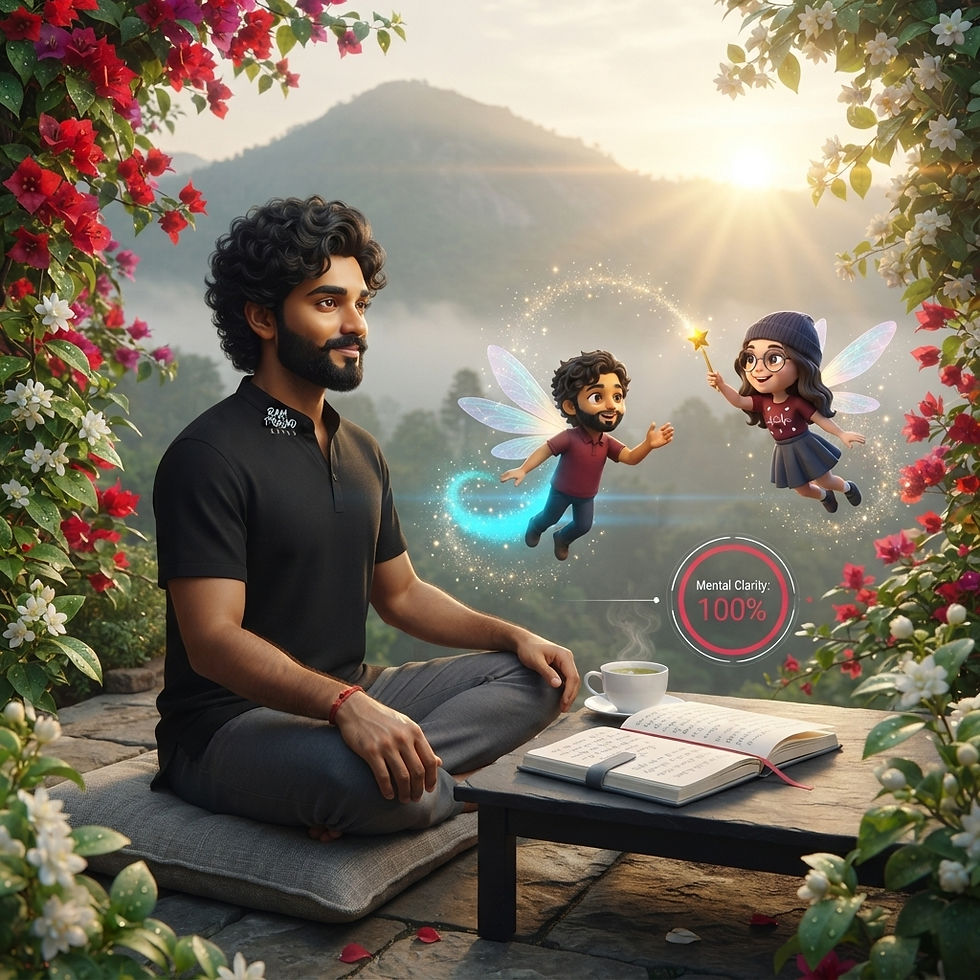
It is easy to cheer when an effigy burns on the ground, but the real victory happens when you defeat the 'Ravan' sitting inside your own mind. Ravan's ten heads represent ten common negative traits: anger, ego, greed, lust, pride, jealousy, selfishness, injustice, laziness, and dishonesty. In modern daily life, these traits show up as road rage, losing patience with family members, wasting hours on mindlessly scrolling phones, or cheating in exams and work. To build Inner Peace & Mental Strength, you must cultivate a Focused Mind Like Arjuna. When you practice simple good actions (Karma) like speaking politely to shopkeepers, helping parents with house chores, and staying calm in tough times you naturally burn away these ten inner enemies day by day.
❓ FREQUENTLY ASKED QUESTIONS
Q1: Why do we burn Ravan's effigy on Dussehra?
We burn Ravan's effigy to mark the victory of Lord Rama over evil and to remind ourselves to burn away ego, anger, and bad habits inside us.
Q2: What do the ten heads of Ravan represent in our everyday life?
The ten heads represent ten vices: anger, ego, greed, lust, pride, jealousy, selfishness, injustice, laziness, and dishonesty.
Q3: How can we make local Ravan Dahan events eco-friendly?
By using recycled paper effigies, replacing loud crackers with LED fireworks string lights, green crackers, and organized light shows.
Q4: Is Ravan Dahan celebrated in the same way across all Indian states?
No, while North and West India popularize effigy burnings, places like Mysore and Kullu hold grand royal idol processions, showing our rich diversity.
Q5: How can parents explain the true meaning of Dussehra to children?
Parents can share simple Ramayana stories before the event, highlighting that great talent without good character leads to failure.
© 2026 Ram Prasad K S V N S Recommends. All rights reserved.


Comments