

The Death of Celluloid vs. The Analog Revival: Digital Cinema Camera Evolution

"Have you ever noticed why a single silence or slow camera movement in a great film makes your heart race? When light enters a camera lens and washes over the medium, it creates pure emotional magic on screen. For over a decade, technocrats declared the total death of celluloid, pushing digital cinema camera sensors into every studio. Yet today, legendary directors from Christopher Nolan to Mani Ratnam are leading a passionate analog revival. Let us explore how camera evolution shapes directorial vision, cinematography, and timeless cinematic impact."
1. What Is This About? A comprehensive comparison between digital cinema camera technology and traditional 35mm celluloid film stock in modern movie making.
2. Why It Matters: Understanding how camera sensors and film stocks handle light helps creators and movie lovers appreciate visual storytelling craft, character arcs, and cinematic atmosphere.
3. Who Is Impacted: Aspiring film directors, videographers, college film students, and everyday cinema enthusiasts across India.
4. Where Applicable: Applies to film sets, OTT platform video production, media education, and everyday visual content creation.
5. Action Roadmap: 1. Master Shutter Control: Use a natural 180-degree shutter angle rule to replicate organic film motion blur. 2. Balance Lighting Harmony: Focus on chiaroscuro contrast and rim lighting on set rather than fixing exposure in software later. 3. Choose Vintage Glass: Pair modern digital sensors with anamorphic lenses to soften sharp digital edges. 4. Maintain Creative Discipline: Limit the number of take repeats on set to preserve raw actor energy and strong screenplay pacing.
"Digital film recording is a technical recording medium, but celluloid film is a visual art form. It breathes light into life." — Christopher Nolan
📍 1. Visual Texture & Grain: Digital Sensor Perfection vs Organic Celluloid Magic

Digital cinema cameras process incoming light using electronic CMOS sensors that map pixels with pinpoint digital accuracy, whereas celluloid film captures light through random, organic silver halide crystals suspended in gelatin. The Death of Celluloid movement gained momentum because digital cameras produce ultra-clean images with zero noise, making them ideal for modern blue-collar indie filmmakers operating on tight budgets. However, this perfection can sometimes make movie frames look flat or sterile like a television commercial.
In stark contrast, The Analog camera relies on natural film grain that subtly shifts position with every single frame at 24 frames per second. This random motion creates a gentle living texture that softens human skin tones and creates visual metaphors without needing post-production blur effects. If you are shooting an action-heavy web series requiring sharp detail, modern digital sensors deliver stunning clarity; but if your story demands emotional intimacy and timeless cinematic impact, the organic grain of analog film stock remains unmatched.
📍 2. On-Set Workflow & Instant Playback: Rapid Digital Efficiency vs Disciplined Film Rushes
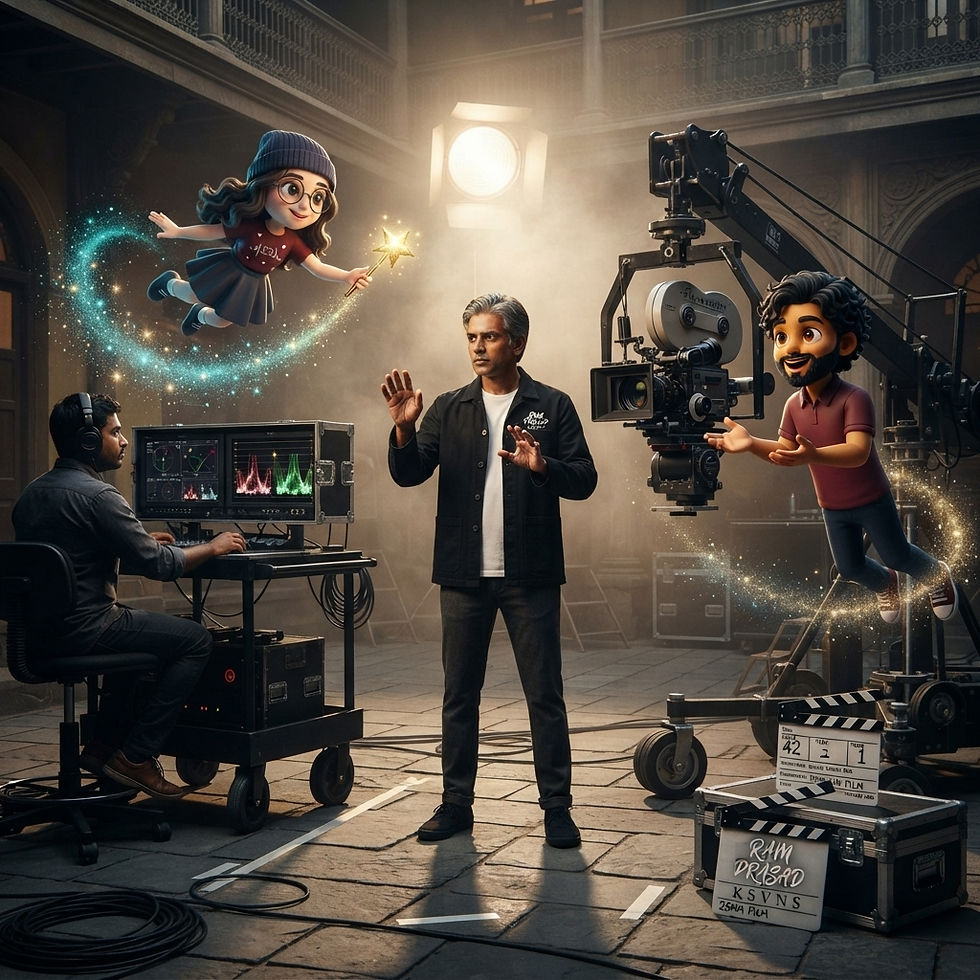
Digital cinema workflows allow directors, cinematographers, and light operators to monitor color-graded footage instantly on high-definition video monitors right on set, while analog shooting requires sending exposed film canisters to specialized chemical processing labs before anyone can review the footage. Digital recording onto fast solid-state drives allows continuous takes, giving actors room to improvise character arcs without worrying about wasting costly physical media.
By comparison, shooting real celluloid enforces intense creative discipline on set because a single 1000-foot reel of 35mm film provides roughly 11 minutes of record time and costs significant money to purchase and develop. This scarcity forces directors like Quentin Tarantino and Steven Spielberg to rehearse scenes meticulously before rolling the camera, creating palpable tension and emotional climax execution among the cast and crew. For fast-paced commercial shoots, digital efficiency is an absolute lifesaver, but for deep ensemble dramas, the financial weight of film stock instills rare focus.
📍 3. Dynamic Range & Highlight Handling of Cameras: Clean Digital Precision vs Soft Film Roll-off

Modern digital cinema cameras offer immense dynamic range, capturing up to 16+ stops of latitude that allow shadow details in low-light night scenes to be brightened easily during post-production color grading. However, when digital sensors hit extreme bright spots like direct sunlight or background streetlights, the pixels clip abruptly into harsh pure white patches that can disrupt visual storytelling craft.
Celluloid film stock handles highlights with a buttery, natural bloom that gently rolls off bright light sources into pleasant cream tones rather than harsh digital clipping. This organic highlight handling gives analog footage its signature dreamlike quality and chiaroscuro depth, especially during golden hour outdoor shoots. While digital cinema cameras win hands down when shooting extreme low-light scenes under minimal street lamps, analog celluloid retains superior highlight elegance when working with heavy sunlight.
📍 4. Production Costs & Archival Lifespan: Digital Storage Drives vs Physical Film Negatives
Digital film production slashes upfront camera department expenses by eliminating physical film roll purchases, lab development fees, and optical scanning costs. Yet, storing heavy 4K or 8K uncompressed digital files requires massive hard disk arrays, cloud servers, and perpetual data migration every few years to prevent file corruption and bit rot.
On the other side of the scale, real celluloid motion picture film requires substantial upfront financial investment, but a properly stored master film negative kept in a cool, low-humidity vault can survive for over 100 years without losing a single frame of resolution. Many classic Indian films from the 1970s recorded on digital tape formats have been lost forever due to tape degradation, whereas physical celluloid negatives can be rescanned at modern 4K resolutions today. For student projects, digital is financially essential, but for historic cultural preservation, physical film negatives remain king.
📍 5. Directorial Mindset & Creative Discipline: Unlimited Takes vs Intentional Frame Craft
Digital cinema camera evolution liberated directors from physical constraints, enabling them to shoot hundreds of hours of raw footage without stopping the roll. While this freedom encourages experimental camera movements and subtle screenplay pacing adjustments, it often creates a scattershot mindset where directors shoot endless angles hoping to assemble the movie later in the editing suite.
The Analog Revival brings back the lost art of intentional frame craft, where every camera placement, lighting balance, and background score cues are decided far before hitting the record button. Knowing that celluloid is running through the gate encourages tight directorial vision, making every second on screen feel deliberate and visually rich. If your project demands high-volume coverage like reality TV or documentary sports, digital is unbeatable; but if you want to master visual storytelling craft, practicing the intentional discipline of film shooting will elevate your work instantly.
❓ FREQUENTLY ASKED QUESTIONS
Q1: Why do directors still prefer shooting on analog film today?
Directors prefer analog film because of its rich organic grain, natural highlight roll-off, superior skin tone texture, and the intentional discipline it brings to the set.
Q2: Can I make my digital camera video look like real 35mm film?
Yes! By using a Variable ND filter to lock your shutter speed at 1/50th of a second, shooting through vintage lenses, and applying subtle film grain plugins in post-production, you can achieve a convincing cinematic feel.
Q3: Is digital cinema camera technology cheaper than shooting on film?
Upfront production costs are significantly cheaper with digital cinema because you eliminate expensive film rolls, chemical lab processing, and negative scanning fees.
Q4: What is the shutter angle rule in cinematic filmmaking?
The 180-degree shutter angle rule means setting your shutter speed to double your frame rate (e.g., 1/50 second shutter for 24fps video), creating motion blur identical to classic movie projectors.
Q5: Which modern cameras are used in major Indian movies?
Top Indian cinematographers frequently use ARRI Alexa Mini LF, Sony Venice, and RED V-Raptor digital cinema cameras, often paired with vintage anamorphic lenses for high visual impact.
© 2026 Ram Prasad K S V N S Recommends. All rights reserved.


Comments